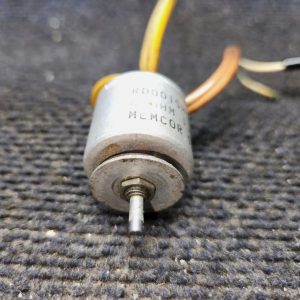
P/N RD0015H1600JBC offers replacement potential for qualified technicians addressing worn, intermittent, damaged, corroded, or missing instrument-panel lighting controls in a compatible aircraft.
Accurate use of Cessna 172F Rheostat, Cessna 172F Lighting Rheostat, and Cessna 172F Panel Light Rheostat terminology improves search relevance without overstating fitment.
A Cessna 172F Cockpit Dimmer may function as a Cessna 172F Instrument Light Control, while a Cessna Instrument Panel Rheostat should match the intended wiring and electrical load.
Whether buyers need an Aircraft Lighting Rheostat, Aircraft Panel Light Dimmer, Aviation Lighting Control Rheostat, or Aircraft Instrument Lighting Control, professional evaluation should precede use.
Clear package descriptions help buyers determine whether the no-knob rheostat requires additional hardware before installation.
Why the Exact Rheostat Part Number Matters
A component should not be accepted as RD0015H1600JBC solely because it resembles the original panel-light control.
Any manufacturer logo, electrical rating, production code, serial marking, repair label, or donor-aircraft information should remain associated with the component.
Rheostat Shaft and Knob Compatibility
The shaft diameter, length, shape, flat, spline, retaining method, and panel clearance should be measured before selecting a knob.
The replacement knob should attach securely without damaging the shaft, binding the rheostat, or contacting the panel surface.
Purpose of the Panel Light Rheostat
Rotating the control changes the electrical resistance or control setting, allowing the pilot to select an appropriate lighting level.
Smooth dimming can help reduce glare and support instrument readability during night or low-light operations when the complete system operates correctly.
Aircraft Serial and Wiring Applicability
Production changes, previous panel modifications, lighting upgrades, replacement wiring, and modern avionics installations can affect the required control.
The installer should verify whether the circuit uses two terminals, three terminals, an integral switch, or another control arrangement.
Cessna Rheostat Physical Condition Evaluation
Inspection should begin with the component clean enough to reveal cracks, corrosion, heat discoloration, damaged threads, bent shafts, missing insulation, contamination, and previous repair.
The body should not rotate after installation because movement can strain wiring and alter control positioning.
Cessna Electrical Terminal Condition
Attached wires should be checked for brittle insulation, damaged conductors, incorrect splices, unsupported weight, and missing identification.
Professional wiring practices support dependable Aircraft Instrument Lighting Control.
Testing the Cessna 172F Lighting Rheostat
Test equipment, methods, conditions, and results should be documented clearly.
The component should not be connected directly to a power source until terminal functions and specifications are known.
Diagnosing Flickering Instrument Lights
Repeated control failure can indicate an electrical load or connection issue that remains unresolved.
Heat around the rheostat should prompt inspection for overload, resistance, loose connections, or unsuitable replacement components.
Preserving Cockpit Appearance and Function
A Cessna 172F Rheostat can provide valuable restoration potential for owners preserving the appearance and function of an original-style cockpit.
The missing knob may be sourced separately, reproduced appropriately, or reused from the removed control when its fit and condition remain suitable.
Planning a Panel Lighting System Project
A missing knob or damaged connector can delay installation even when P/N RD0015H1600JBC is available.
Donor-aircraft history may provide context but does not establish present serviceability.
Repairing or Replacing a Cessna Rheostat
The technician should consider reliability, testing, documentation, electrical ratings, and click here future maintainability.
Professional refurbishment can preserve restoration value while maintaining clear component status.
Commercial Value of P/N RD0015H1600JBC
A clean exterior can improve presentation but does not replace electrical testing and detailed inspection.
The seller should disclose the missing knob, damaged threads, bent shaft, corrosion, burned terminals, heat discoloration, intermittent operation, repairs, and storage conditions.
Cessna 172F Rheostat Buying Checklist
The seller should provide photographs showing the housing, shaft, mounting threads, terminals, markings, attached wiring, damage, and repaired areas.
- Request detailed photographs of every marking, terminal, mounting thread, shaft surface, housing area, attached wire, repair, and included component.
- Arrange qualified evaluation whenever specifications, electrical condition, repair quality, or installation suitability remain uncertain.
- Retain purchase records, photographs, measurements, test results, traceability information, repair documentation, and shipping records with the project file.
Preventing Electrical Component Damage
The rheostat should be packaged so the shaft, terminals, mounting threads, housing, and identification markings remain protected from impact and bending.
The component should not be stored by hanging it from attached wires or unsupported terminals.
Wiring a Cessna Cockpit Dimmer
The electrical system should be secured appropriately before the original control is disconnected.
Wires should connect firmly without creating excessive side load on the terminals.
The panel should be checked under suitable lighting conditions without promising a particular brightness improvement.
Long-Term Rheostat Care
Repeated cycling should not replace proper electrical troubleshooting.
Recurring heat or failure should prompt investigation of circuit loading, wiring condition, lamps, grounds, and connected components.
Selecting an Aircraft Lighting Control Rheostat
For the correct Cessna 172F electrical configuration, the rheostat can support adjustable instrument-panel lighting when installed with a compatible knob and surrounding components.
Aviation maintenance personnel should evaluate the rheostat before repair, testing, wiring, installation, or operational release.
Whether the part is purchased for scheduled maintenance, panel restoration, troubleshooting, vintage-aircraft preservation, replacement, or spare inventory, transparent information and professional oversight provide the strongest foundation.
With transparent test status, protected shipping, correct fitment, a suitable knob, and qualified maintenance review, the component can support a professional Cessna 172F project.